The Escalating Crisis in Crimea: A Looming Humanitarian Challenge
Today, Russian-installed officials in Crimea declared a state of emergency as Ukrainian drone strikes escalate. The situation in this strategically significant peninsula is increasingly dire. Residents face widespread power outages, fuel shortages, and deteriorating living conditions that have sparked a mass exodus. The response from local authorities indicates that the power supplies are unlikely to resume for the foreseeable future, primarily due to ongoing damage inflicted by Ukrainian forces targeting crucial infrastructure.
Reports indicate that long queues of cars are forming on the bridge connecting Crimea to mainland Russia, as residents scramble to leave the region. This bridge, once a symbol of connectivity, has transformed into a precarious escape route. Ukrainian forces consistently aim at this structure, forcing Russian authorities to intermittently close it. Thus, those attempting to flee find themselves trapped in an increasingly dangerous situation.
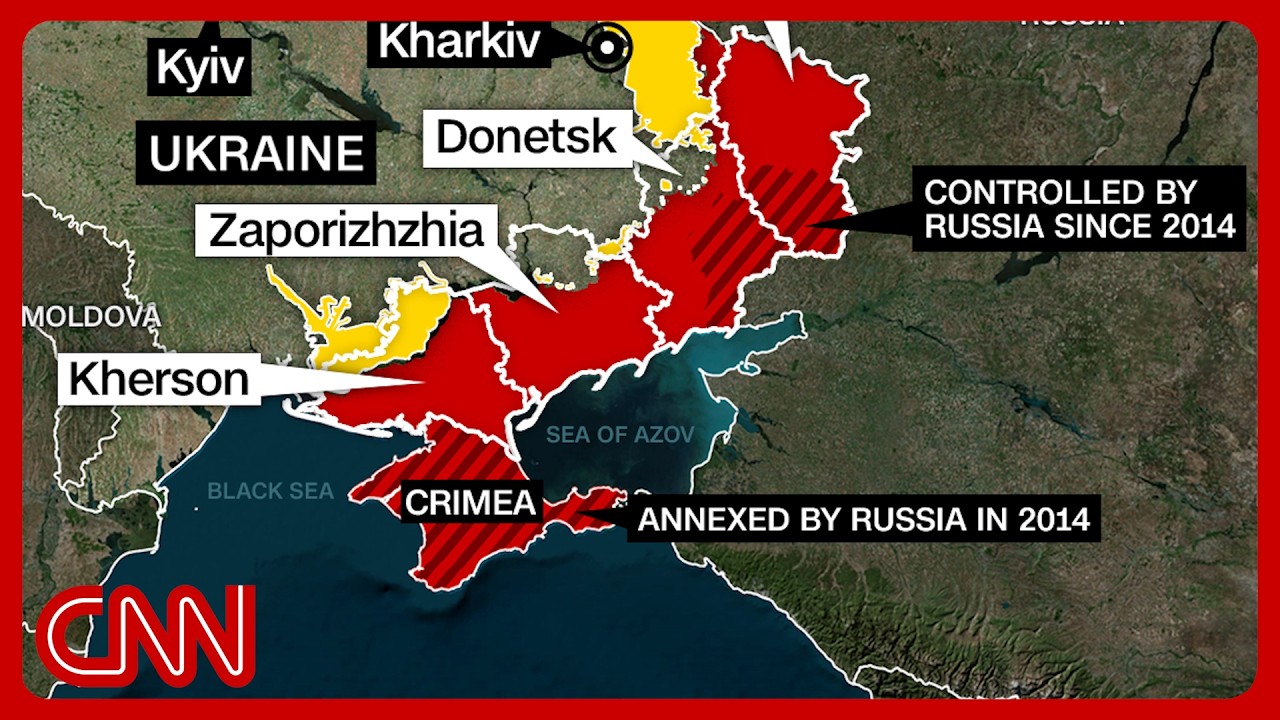
The developments in Crimea paint a broader picture of the war’s trajectory. Ukraine’s ability to exert pressure on Russia has grown significantly in recent months, forcing the Kremlin to confront the realities of a war that is far from won. Since the annexation of Crimea in 2014, Russia has invested heavily in the region to position it as a vital component of a new Russian territory. These efforts, aimed at turning Crimea into a tourist haven, have been dramatically undermined by recent military actions.
While the front lines may appear stagnant, the impact of sustained Ukrainian attacks on logistical and power infrastructure indicates a shift in the war’s balance. The Kremlin’s strategy, once predicated on turning Crimea into a crown jewel and tourist magnet, now seems untenable as amenities degrade and civilian morale plunges.
Furthermore, the geopolitical implications extend beyond regional borders. President Trump recently demonstrated an unexpected pivot in his stance towards Ukrainian President Volodymyr Zelensky. Having previously criticized Zelensky, Trump now acknowledges the Ukrainian leader’s resilience. This newfound respect raises questions about potential diplomatic shifts, although the prospect of a peace agreement remains elusive. There is yet to be a comprehensive framework addressing territorial disputes or concessions satisfactory to both sides.
NATO, too, is weighed down by the complexities of global politics. The shifting focus following concerns about Iran has led some European leaders to express relief, interpreting a decreased U.S. involvement as a chance for Ukraine to gain momentum. Ambassador Volker pointedly noted the potential for increased pressure on Putin, suggesting that a critical moment for Ukraine may be approaching. The Russian president appears cornered, losing not only territory but also troops and financial resources. However, his enduring belief in military victory complicates prospects for peace.
Despite the geopolitical chessboard evolving, the humanitarian implications for Crimea remain grave. Cold winters threaten residents, compounded by Ukraine’s objective of targeting Russian resource supply chains. As the winter months loom, the civilian population faces increasingly severe challenges. The lingering question lies in whether NATO and European allies can navigate the myriad complexities to bring about a ceasefire. Increased military support to Ukraine might accelerate this process, benefitting both regional stability and humanitarian efforts.
In summary, the crisis in Crimea underscores both the fragility of the situation and the humanitarian toll of protracted conflict. Amidst the chaos, the possibility of diplomatic breakthroughs hangs in the balance. For now, the residents of Crimea endure a daily struggle, caught in the crossfire of geopolitical ambitions and military strategy. Each day brings new uncertainties, yet the need for a sustainable resolution remains pressing.